
- More than 3500 articles
- More than 20 years of experience & expertise
- We have the widest range of off road products
- Ordered today before 3 p.m. shipped the same day
Car Parts
- gararge tools
- Axles & Suspension
- Car Protection
- Fixing material
- Fuel system
- Car Care
- Chassis & Body
- Diagnostic tools
- Electrical
- Exterior
- Filters
- Interior
- Cooling System
- Clutch
- Air intake
- Air compressor
- Engine
- Gaskets
- Brakes
- Service kit
- Hoses and Pipes
- Steering distribution
- Exhaust systems
- Wheels
- Heat & Air Conditioning
Cooling System
Water pump
The name speaks for itself: a water pump pumps water around. Or rather coolant. This is necessary to cool your engine, which heats up through combustion. While exhaust gases dissipate some of that heat, another part is absorbed by the engine. The circulation of coolant prevents it from overheating.


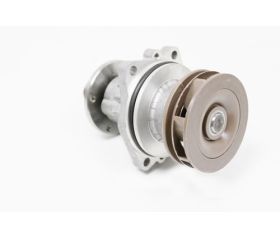


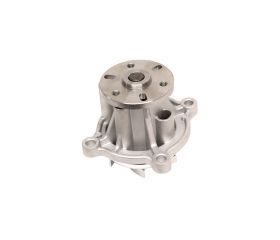
Water pump
The water pump is usually located at the front of the engine and is driven by a belt connected to the crankshaft. When the engine turns, the water pump turns with it. The water pump has an inlet and an outlet, which are connected to the car's cooling system. When the engine is running, the water pump draws coolant from the radiator and pumps it through the engine and radiator to dissipate heat.
IMPORTANCE OF A PROPERLY FUNCTIONING WATER PUMP
A properly functioning water pump is vital to a car's cooling system and overall performance. Here are some reasons why the water pump is so important:
- Circulation of coolant: The water pump ensures that coolant is constantly circulating through the cooling system. This helps regulate the temperature of the engine and prevents overheating.
- Optimal heat dissipation: By pumping the coolant through the engine and radiator, the water pump contributes to efficient heat dissipation. This helps keep the engine at the right operating temperature and prevents damage due to overheating.
- Protection against damage: A malfunctioning water pump can lead to reduced coolant circulation, resulting in overheating and engine damage. By ensuring the water pump is working properly, you can extend the life of your engine and avoid costly repairs.
WATER PUMP MAINTENANCE
To ensure the water pump continues to work optimally, there are some important maintenance steps you can follow:
- Check for leaks: Regularly check the water pump for any leaks. Pay attention to signs of coolant loss around the water pump. If you notice any leaks, fix them immediately to prevent further damage.
- Inspect the drive belt: Check the condition of the drive belt that drives the water pump. Make sure the belt is not worn, damaged or too loose. A worn belt can reduce the performance of the water pump and should be replaced if necessary.
- Change the coolant: Changing the coolant regularly is also important for the performance of the water pump. Worn coolant can cause corrosion and reduce the efficiency of the water pump. Follow the manufacturer's maintenance schedule for the correct replacement interval.