
- More than 3500 articles
- More than 20 years of experience & expertise
- We have the widest range of off road products
- Ordered today before 3 p.m. shipped the same day
Car Parts
- gararge tools
- Axles & Suspension
- Car Protection
- Fixing material
- Fuel system
- Car Care
- Chassis & Body
- Diagnostic tools
- Electrical
- Exterior
- Filters
- Interior
- Cooling System
- Clutch
- Air intake
- Air compressor
- Engine
- Gaskets
- Brakes
- Service kit
- Hoses and Pipes
- Steering distribution
- Exhaust systems
- Wheels
- Heat & Air Conditioning
Interior
Car seat belts
Car seatbelts are an essential piece of safety equipment in your vehicle. They play a crucial role in protecting both the driver and passengers in the event of an accident. On this page, we’ll take a closer look at the different types of car seatbelts, their functions, maintenance tips, and important facts you need to know. Read on to discover everything you need to know about car seatbelts.


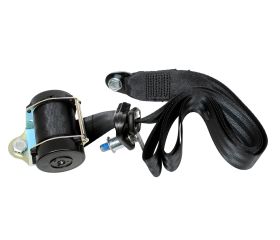

Car seat belts
TYPES OF CAR SEAT BELT
There are several types of car seat belts available in the market, each with their own unique features and functions. Below we discuss the most common types of car seat belts:
Three-point belt: The three-point belt is the most common and effective type of seat belt in modern vehicles. It consists of a lap belt and a shoulder strap that come together at an attachment point at the top of the seat. This belt offers maximum protection in the event of a crash.
Two-point belt: The two-point belt is an older version of the belt that only goes across the hips. Although it is better than no belt at all, it does not offer the same level of protection as the three-point belt. It is rarely used in modern vehicles.
Five-point belt: The five-point belt is an advanced type of belt that is mainly used in racing cars and some sports cars. In addition to the lap and shoulder belts, this belt has additional straps that go across the chest and between the legs, holding the driver firmly in the seat.
THE FUNCTION OF CAR SEAT BELT
The main purpose of car seat belts is to reduce injuries in the event of an accident. They help to:
- Prevent serious injuries by distributing the forces released during a crash.
- Minimize the chance of injury by ensuring that occupants remain securely in place.
- Protect internal organs from impact and injury.
- Prevent ejection, where occupants are thrown from the vehicle during an accident.
CAR SEAT BELT MAINTENANCE AND REPLACEMENT
It’s important to regularly check the condition of your car seat belts and ensure that they are functioning properly. Here are some maintenance tips and guidelines for replacing car seat belts:
- Regularly check for wear, tears or fraying in the belts. If you notice any damage, replace the belts immediately.
- Keep the belts clean by wiping them with a mild detergent and water. Avoid using abrasive or chemical cleaners as these can damage the belts.
- Make sure the belts move smoothly without catching. If they get stuck or don’t rewind properly, have them checked and repaired by a professional if necessary.
- Replace the car belts according to the manufacturer’s recommendations or if they have been involved in a serious accident. Over time, the belts can lose their strength and reduce protection.
IMPORTANT FACTS ABOUT CAR SEAT BELTS
Here are some important facts you should know about car seat belts:
- Car seatbelts reduce the risk of fatal injuries by as much as 45% and the risk of injury by 50%.
- Wearing a seat belt is a legal requirement for both the driver and all passengers in most countries, including the Netherlands.
- Children must be secured in a suitable child seat or an appropriate seatbelt, depending on their age and size.
- Correctly wearing the seat belt is essential. The lap belt should lie across the hips and pelvic area, while the shoulder strap should pass over the collarbone and across the chest, without being worn behind the back or under the arm.