
- More than 3500 articles
- More than 20 years of experience & expertise
- We have the widest range of off road products
- Ordered today before 3 p.m. shipped the same day
Car Parts
- gararge tools
- Axles & Suspension
- Car Protection
- Fixing material
- Fuel system
- Car Care
- Chassis & Body
- Diagnostic tools
- Electrical
- Exterior
- Filters
- Interior
- Cooling System
- Clutch
- Air intake
- Air compressor
- Engine
- Gaskets
- Brakes
- Service kit
- Hoses and Pipes
- Steering distribution
- Exhaust systems
- Wheels
- Heat & Air Conditioning
Filters
Car type
Brand
Price
Oil Filter
An oil pump circulates the engine oil around in the engine, lubricating the engine. The moving parts in the engine contaminate the engine oil. The function of the oil filter is to filter this dirt from the engine oil. During a service, both engine oil and oil filter are replaced. An old or overly dirty oil filter no longer filters properly, increasing the risk of engine damage. It is important to order the right oil filter, as there are many different sizes.


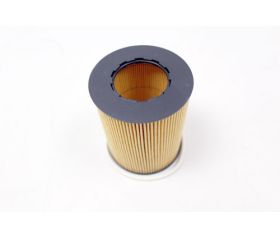


Oil Filter
An oil filter is a filter placed in the engine's oil circuit. It is designed to remove impurities and particles from the engine oil before it circulates through the engine. The oil filter consists of a housing and a filter element that traps contaminants as clean oil flows through.
THE FUNCTION OF AN OIL FILTER
The main function of an oil filter is to protect the engine from harmful contaminants. During engine operation, the oil can collect small particles, dust, sludge and even metal particles. If these contaminants circulate unfiltered through the engine, they can cause damage to the moving parts, such as the pistons, bearings and camshafts. The oil filter traps and removes these contaminants, improving engine life and performance.
WHEN SHOULD AN OIL FILTER BE REPLACED?
The exact oil filter replacement interval can vary depending on several factors, such as oil type, driving behaviour and driving conditions. Generally, it is recommended to change the oil filter at every oil change, which is usually every 10,000 to 15,000 kilometres, or according to the manufacturer's maintenance schedule.
However, there are some signs that it is time to change the oil filter:
- Increased oil pressure: If you notice that the oil pressure in the dashboard is higher than normal, this could indicate a clogged oil filter. A clogged filter can impede oil circulation and increase oil pressure.
- Reduced engine performance: A malfunctioning oil filter can lead to reduced engine performance, such as lack of power, hiccups or irregular engine running. This is because unclean oil cannot effectively lubricate the moving parts.
- Contaminated oil: If, when checking the oil dipstick, you notice that the oil looks cloudy, contaminated or filled with particles, this may indicate a malfunctioning oil filter. The filter cannot remove contaminants effectively, leaving them in the oil.
OIL FILTER MAINTENANCE
To ensure that the oil filter performs optimally, regular maintenance is essential. Here are some important points to keep in mind:
- Follow the manufacturer's specifications: Refer to the manufacturer's maintenance schedule for the recommended oil filter replacement interval. Follow these guidelines for best results.
- Choose quality filters: Always use high-quality oil filters from reliable manufacturers. Quality filters offer better filtration and protection for your engine.
- Combine with oil changes: Change the oil filter with every oil change. It is a good time to change both the oil and filter for optimal performance.